


Beverly Meyer
Functional Health Solutions Since 1985
Creative professional solutions for a happier, more comfortable life.
Work with BeverlyDecades of Experience To Guide You

Work With Beverly
In-depth review of Labs, Diet, Hormones, Health History & more. Virtually or in person.
Consult Info
The Online Store
Professional products from my Clinic shelves. 140 favorites in a dozen Health Categories.
Explore Now
Herpes Relief Guide
Control outbreaks with diet & supplements. With a Coach who knows this virus personally.
Learn More
Healthy Diet Video
The key to upgrading health! Hearty foods that satisfy without excess carbohydrates.
Learn MoreLearn more about working with Beverly Meyer on Diet and Health
Read the FAQ
About Beverly Meyer, CCN, MBA
Clinical Nutrition and Wellness Pioneer
In Functional Health, we look for the causes of issues. Addressing symptoms is only part of the picture. We want lasting solutions!
I became a health researcher to work with my own health struggles. In my free time, I’m a blogger, podcaster and animal lover.
more about beverly MeyerIf you want direct and focused conversations about your health, my approach may be a good fit for you. Welcome!
As a Certified Clinical Nutritionist in practice since the 1980’s, I help change Client’s futures.
10% Off
DREM Bedtime Sleep Support
Through 6/12/26
Melatonin, GABA, St. John’s, 5HTP and Passion Flower for GABA and Serotonin sleep support.
More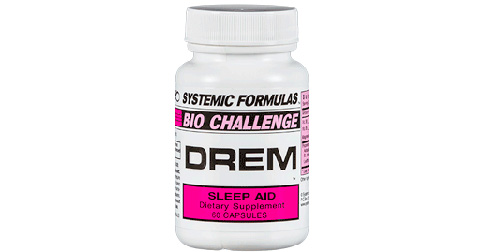

5 Steps to Manage Herpes
Take control of Herpes with the five steps detailed in this eBook. I know this virus personally and as a professional. Your life can change!
Subscribe to Download the eBook
Latest Podcast Episodes & Articles
Primal Diet – Modern Health
Award Winning Podcast
Clinical Nutritionist Beverly Meyer and guests talk Life, Health and Food on Primal Diet – Modern Health. Listen from any platform or directly from the article on that topic.
See What’s Playing


Kind Words From Clients
What you do helped save my life. Medications were destroying my Connective Tissue. Your diet and supplements helped me manage my HSV. My health has finally started to improve. Thank you for all you do to help people like me.
D.C.
Your knowledge is unparalleled and you have the best podcast on wellness & nutrition. You’re so much fun to listen to and so informative! I like how you explain all the words and terms.
Wendy
I learned more in 2 hours of Consults with Beverly than the last 10 doctors I’d seen. She built a custom supplement program for me and really fine-tuned my diet. I am in awe.
Janie K.
