Podcast: Play in new window | Download
Subscribe: Apple Podcasts | Spotify | RSS
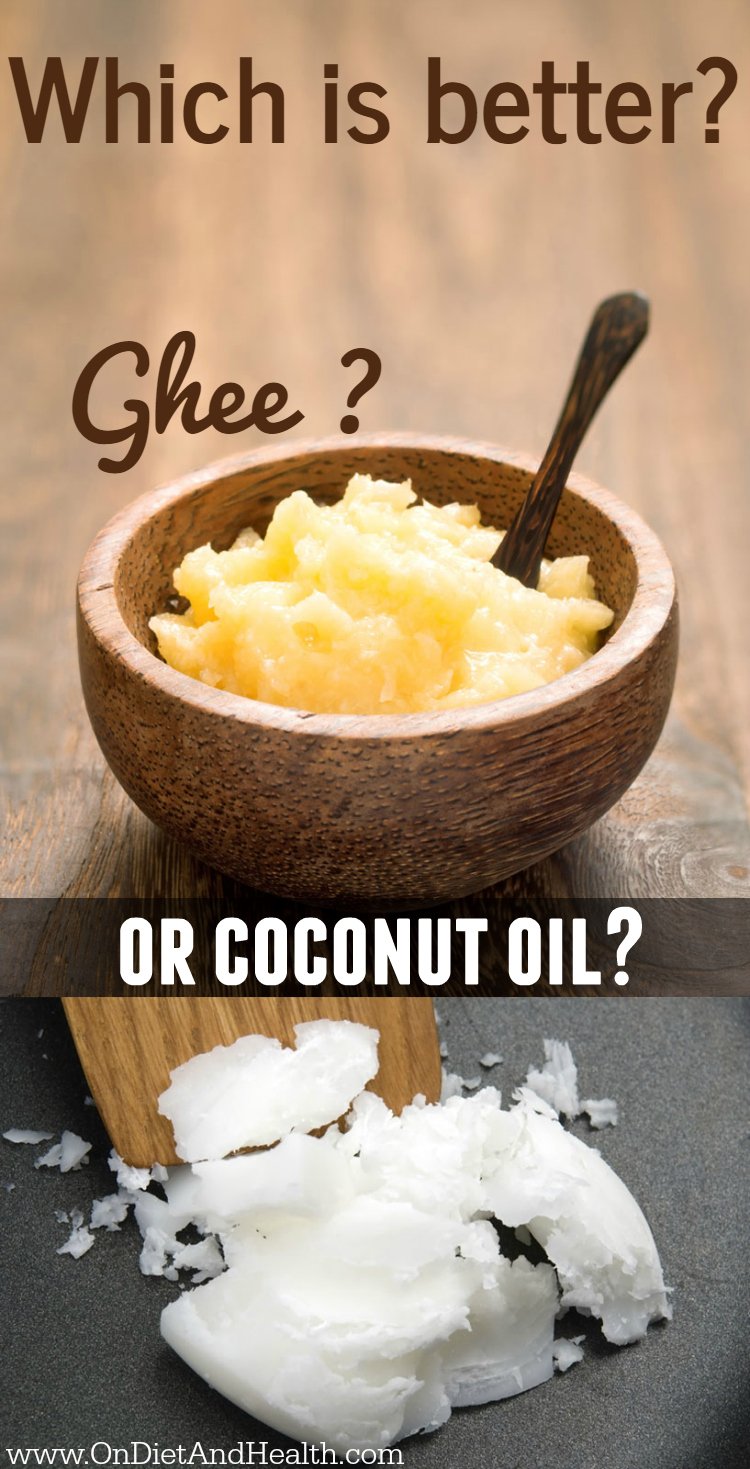
Clients and Podcast listeners often ask: “Which is better – Ghee or Coconut Oil?”Here’s a description and info on the benefits of each.
Which is Better – Ghee or Coconut Oil?
Both Ghee and Coconut Oil are saturated fats. Despite what we have been told, saturated fats are healthier for us than seed oils, as hunter-gatherer humans. Canola, Corn and Soy “vegetable” oil are high in Omega 6 fats – the one we want to avoid.
Saturated fats cook better than seed oils and taste wonderful.
The taste choice is up to you and the food you put it on. Or use both liberally, depending on what you are cooking.
Higher Fat Diets in Human Evolution
- Northern and Southern peoples had abundant herds of red meat with their saturated fat
- People in Equatorial climates ate more coconut oil and fish than fats from red meats
- Saturated fats helped our brains evolve and provided us with nutrient-dense calories
Choosing Between Ghee and Coconut Oil
- What is Ghee?
- What is Coconut oil?
- Benefits of Ghee
- Benefits of Coconut oil
- Ghee vs. Coconut oil
What is Ghee?
- Ghee is clarified butter. It is 100% butterfat, with no proteins, lactose or water.
- If from pastured cows, both ghee and butter contain Vitamins A, D and K2, a bonanza of nutrients
- Lacking water, ghee doesn’t spatter when cooking. Butter can spatter or pop if too hot.
- Lacking starch and protein, ghee doesn’t burn like butter will.
- Ghee does not require refrigeration. Butter does.
- Regular butter still has traces of whey and casein proteins as well as lactose (sugar) and a little water. For many of us, the proteins and lactose can create an allergy, intolerance or digestive problem. Ghee is very low in allergenic substances.
What is Coconut Oil?
Oil is extracted from coconuts using a variety of techniques. It does not require refrigeration and does not easily burn or spatter. It has a “fruity” flavor that goes well with poultry or seafood. Different brands of coconut oil may taste differently. Some are more neutral than others and go well with eggs, for example.
Benefits of Ghee
Humans did not eat dairy until we began to domesticate animals instead of hunting them. We learned that fresh, raw pastured sheep, goat, horse or yak milk had some benefits. It can be fermented to keep longer and is nutritious and filling.
We started milking domesticated animals about 13,000 years ago – very recent in our evolutionary history. It was probably difficult to adapt to animal milk at first. But we persisted.
I have heard that 30% of humans have now evolved to accept dairy. This is an exceptionally fast evolution and indicates there is something in dairy that we really, really want. The FAT! (The other 70% of us should generally avoid dairy, except for ghee – see more below).
Ghee is an excellent cooking fat, tastes “buttery” and is safer to cook with than butter.
Ghee and Dairy Intolerance
Our immune system’s job is to target foreign proteins such as viruses and bacteria. It will also attack the proteins in food and those in our own body (auto-immune disorders). But it will not attack fat. So even highly dairy-intolerant people (such as myself) can consume ghee liberally and have no arthritis, gas, bloating or immune antibodies.
Benefits of Coconut Oil
- Humans have eaten coconuts for an exceptionally long time. We rarely have immune or allergy problems with it. Coconuts are a FRUIT, not a nut!
- Like ghee, coconut oil tolerates cooking heat better than butter, olive oil or other fruit or seed oils.
- Coconut oil has a highly digestible structure, primarily Medium Chain Triglycerides (other saturated fats are mostly Long Chain). It takes little input from bile and digestive enzymes to break down coconut oil, making it a great food for those with no gall bladder or poor digestion such as the elderly or sick.
Ghee vs. Coconut Oil
Coconut oil has none of the Vitamins A, D and K2 that pastured ghee or pastured lard have. This is one drawback.
Coconut oil can be an acquired taste. Certain foods just don’t work with its sweet, fruity flavor. You can get around this by using cheaper grades of coconut oil which have a lighter taste and still offer (according to my research) the other benefits of the oil.
I prefer the rich mouth feel and taste of ghee, especially higher-quality pastured ghee such as Pure Indian Foods. It’s a familiar taste and goes with everything.
Bottom line: keep and use both. Try different brands in different ways. Reach for ghee or pastured lard when you want those great co-factor vitamins and buttery goodness.
Which is Better – Ghee or Coconut Oil?
Here’s a podcast with Pure Indian Foods owner (5th generation ghee maker) Sandeep Agarwal. Here’s where to see their amazing products.
Listen to my podcast with Dr. Bruce Fife – the “Father of Coconut”. According to Fife, the brand doesn’t really matter. This podcast is all about coconut for health and is a good one to share with friends.